Skip Hire in Pimlico for domestic, commercial and building waste

Skip hire in Pimlico is a practical way to manage bulky waste when a project produces more than a bin collection can take. Whether you are clearing a flat, renovating a property, handling a trade job or tidying a shared space, the right skip size helps keep rubbish contained and the site easier to work around. Our service is centred on straightforward waste removal with clear options for different project types and access conditions.
We provide skip hire for customers who want a simple, organised way to load mixed waste over a period of time. Typical uses include domestic clear-outs, builder’s waste, garden materials and light commercial jobs. If you are comparing options, it helps to look at access, the likely waste volume and any permit or placement requirements before choosing a skip. Tell us what you need removed, and we can help you assess the most suitable approach.
For many customers, the decision comes down to convenience and timing. A skip can stay on site while work continues, letting you load waste in stages rather than rushing a single removal. If the area is tight or parking is limited, there may be more suitable alternatives such as wait and load or a smaller skip. Enquire early if your schedule is fixed, especially where access or placement needs careful planning.
Choosing the right skip for the job
The most suitable hire option depends on the type of waste, the amount you expect to produce and how easy it is to position a container near the work area. Domestic jobs often need a more compact choice, while construction and refurbishment work usually create heavier, mixed waste that fills a skip quickly. Choosing well at the start can reduce interruptions later, particularly on projects that run over several days.
Our skip sizes and prices page is a useful place to compare typical capacities and see how different container options are usually matched to the volume of waste. Size is not only about how much will fit; it also affects loading height, available space on the road or driveway and how manageable the skip is for the waste you have. If you are unsure, start with the material rather than the label.
Common waste types handled through skip hire include timber, soil, rubble, packaging, old fittings, broken furniture and general mixed waste from refurbishments. Heavy inert materials often require particular care because they fill the available weight allowance faster than lighter household waste. If a project includes several waste types, it can help to separate recyclable or restricted items in advance so the loading process stays efficient and compliant.
Domestic waste removal for homes and clear-outs
Domestic skip hire is often chosen for home improvements, loft clearing, moving preparations and general decluttering. It gives you a single place to collect unwanted items while you work through cupboards, rooms, garages and storage spaces. That can be especially useful when the waste includes a mix of packaging, broken household items and loose debris that would be awkward to remove in several smaller loads.
Our domestic skip hire service suits homeowners and tenants who need an organised way to deal with larger volumes of household rubbish. For interior clearances, it is often worth sorting items as you go so reusable or recyclable materials are separated from general waste. That makes the loading process more efficient and can reduce the chance of overfilling the container before the job is complete.
Practical planning for domestic projects
Two simple preparations usually make the process easier. First, estimate whether the main waste will be light bulky items, mixed household rubbish or heavy material from repairs. Second, think about access from the property to the loading point, especially if there are narrow paths, communal entrances or limited parking. If you have photos or a short description of the waste, it is easier to match the job to a suitable hire option.
Builders’ and construction waste clearance
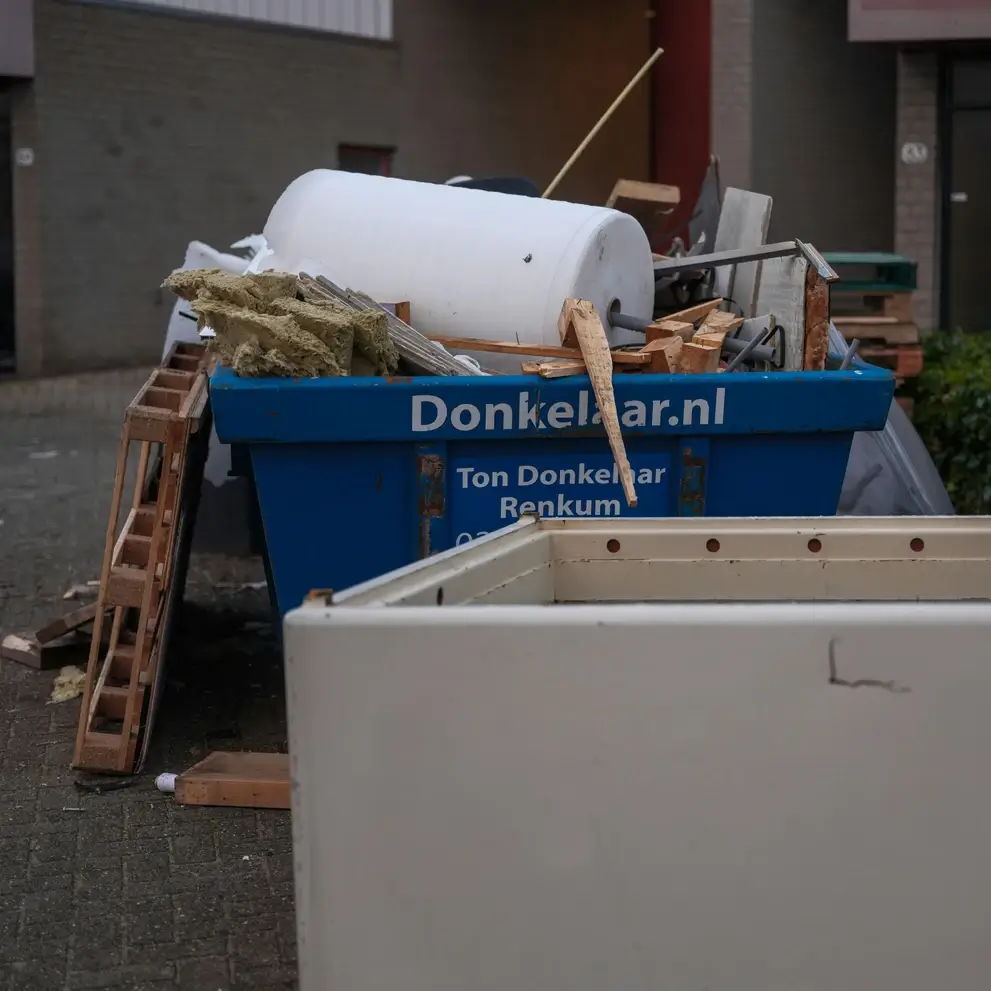
Building work generates waste quickly, and the right hire arrangement helps maintain a tidy and workable site. Builders’ skip hire is commonly used for bricks, rubble, plasterboard, timber offcuts, packaging and general demolition debris. For ongoing work, having a container in place means waste can be cleared as the job progresses rather than building up around the work area and slowing the team down.
Our builders’ skip hire page is aimed at projects where heavier and more regular waste needs a dependable disposal route. Construction jobs often create a mix of materials, so it is sensible to think about how much is inert, how much is mixed and whether any items need to be handled separately. A planned approach can improve loading efficiency and help avoid delays caused by overfilled bags or repeated trips away from site.
The work involved in construction waste management is not just about collection; it is also about choosing the right removal pattern. Some jobs suit a skip left in place for several days, while others need a faster turnaround because space is shared or access changes during the build. Clear loading instructions can be helpful for everyone involved, especially where multiple trades are using the same area.
Commercial clearances and workplace waste
Commercial skip hire can support shops, offices, landlords, managing agents and other workplaces that need a regular or one-off waste solution. The material may include office furniture, packaging, display fixtures, light refurbishments or mixed waste from a closure, move or fit-out. A skip keeps the waste in one place and can simplify removal when the premises need to stay presentable or accessible.
Our commercial skip hire option is best considered alongside the type of business waste being generated and how the premises are used during the hire period. Some commercial clearances are best handled outside opening hours or in a shorter time window, while others are managed gradually. If the waste includes confidential paper, appliances or bulky office furniture, it is worth planning each stream separately rather than treating everything as one load.
For many workplaces, a brief inventory is enough to decide what kind of removal is needed. That may include noting large items, estimating the quantity of general waste and identifying anything that should be segregated. If access is shared with customers or staff, a well-positioned skip can also help keep the site orderly while the disposal work is underway.
Garden, garage and loft clearance options

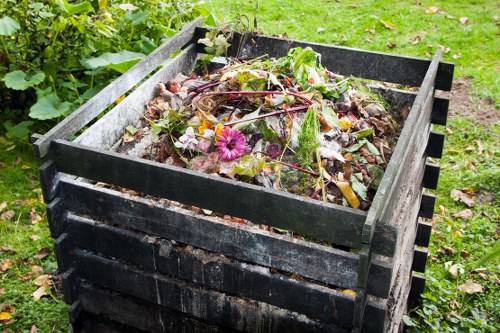
Garden waste removal is useful when pruning, landscaping or clearing overgrowth produces more cuttings and debris than ordinary bins can handle. Soil, branches, turf, hedge trimmings and old outdoor fixtures can be collected in a skip if the material is suitable for mixed green waste or general disposal. For bigger outdoor jobs, a single container keeps the area clearer and makes it easier to finish the work in one run.
Our garden waste removal service can be a practical choice when the work involves both soft green waste and heavier items such as broken edging, old fencing sections or damaged pots. If the project is limited to outdoor clearance, it is often sensible to group similar materials together before loading. That can make the job quicker and may leave space for the final tidying stage that comes after the major cutting and lifting are done.
Garages and lofts usually hold a mixture of items rather than one single waste type, which is why staged loading often works well. Boxes, broken storage units, unwanted furniture and old household materials can all take up more room than expected. If you are clearing either space, keep fragile or recyclable items separate until you know what is going and what can be reused elsewhere.
Waste transfer, recycling and disposal routes
Many customers want waste removed responsibly as well as efficiently, so it helps to understand what happens after collection. Waste handling usually involves sorting, transfer and recycling where possible, with the aim of diverting appropriate material away from disposal routes. The exact route depends on the waste type and how it is prepared, but good segregation at source often makes the process more effective.
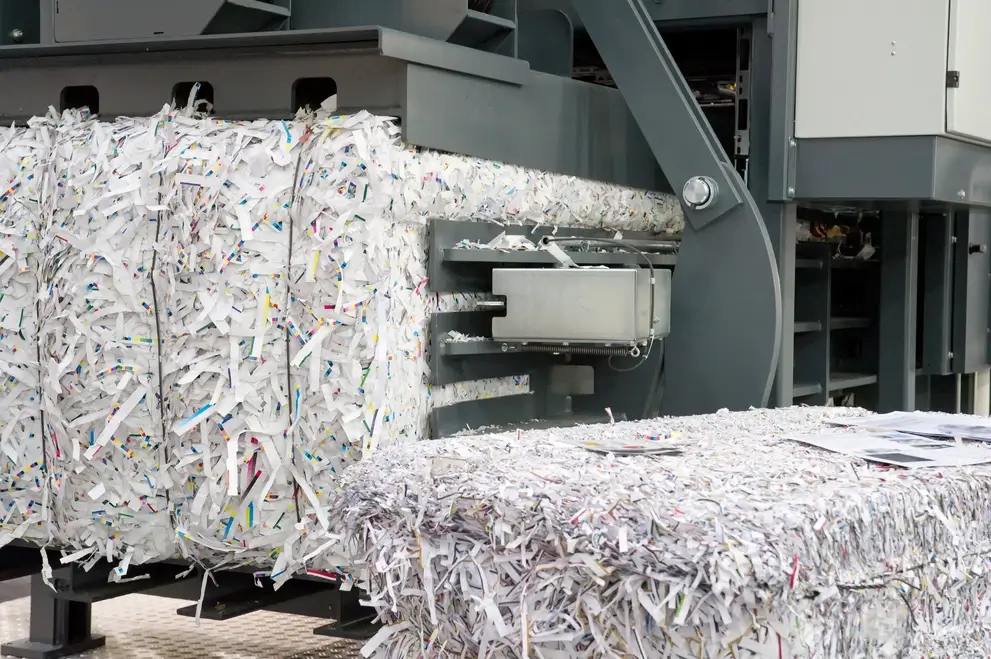
Our waste recycling services page gives a clearer view of the recycling side of disposal and how different materials may be treated after collection. Recyclable loads are easier to handle when they are not mixed with prohibited or contaminated items. If you are planning a project in stages, it can be sensible to keep cleaner materials apart from general rubbish so they are easier to direct to the right processing route.
What influences disposal efficiency
Load composition matters because dense rubble, soil and plaster can behave very differently from light packaging or household waste. The way items are packed also affects efficiency, since loose, uneven loads may waste space. For customers, the best approach is usually to think ahead about what will be removed first and whether there are recyclable materials worth separating before the main loading begins.
Permits, access and wait and load choices
In some parts of a residential area, placing a skip on the road may require a permit or another form of approval. Where access is simple, on-site placement can be straightforward, but tighter streets or controlled parking areas often need more planning. That is why it is worth checking the intended position before booking, particularly if the property does not have a private driveway or yard.
Our skip permits page is a helpful starting point if you need to understand the approval side of road placement. When a permit is not practical, or when parking is too limited for a longer placement, a shorter collection method may be more suitable. In those cases, a wait and load skip hire arrangement can be worth considering, because waste is loaded while the vehicle remains present and then taken away without leaving a skip on the street.
These decisions are best made before the waste is ready to move, because access conditions can dictate whether a standard skip is the right choice. If you can describe the property entrance, the available space and any restrictions on parking or loading times, it becomes easier to identify the most practical disposal method. Good access planning often saves time later in the project.
About Pimlico
Pimlico is a centrally located district in the City of Westminster, on the north bank of the River Thames in London. It is known for its ordered streets, stucco terraces and garden squares, much of which was developed in the 19th century as the area expanded westward from Westminster. The neighbourhood sits between Westminster, Victoria and the river, giving it a compact geography that still feels distinct from the busier commercial centres nearby. Many of its streets were laid out as part of Thomas Cubitt’s planned development, which gave the district a notably uniform Regency and Victorian character. This architectural consistency remains one of its defining features, with white-fronted terraces, mews lanes and formal squares creating a calm street pattern compared with the traffic corridors around it. Among the best-known local landmarks is Tate Britain, close to Millbank, which anchors the area’s cultural identity and links it to the wider art history of the capital. The Thames Path runs nearby, and the riverside setting adds open views and a sense of connection to the water, even though the district itself is firmly urban. Pimlico Underground station provides access to the Victoria line, while Victoria Station lies just beyond the district boundary and reinforces its importance as a transport-adjacent residential area. The area also contains local churches, small shops and neighbourhood pubs that contribute to its community life. In spring and summer, the formal squares and planted communal gardens add greenery to the streetscape, balancing the dense pattern of housing. As a whole, Pimlico combines historical planning, residential calm and a central London location in a way that has helped preserve its character over time.
House clearance, furniture disposal and mixed bulky waste

House clearance work usually involves more than just one or two unwanted items. It can include furniture, clothing, general household clutter, appliances and the contents of storage areas that have built up over time. A skip is often useful when the work is spread across several rooms or when you want to sort items at your own pace instead of moving everything in one heavy load.
Our house clearance service is suited to homes, flats and inherited properties where bulky waste needs to be removed in an orderly way. It can also be helpful for furniture and mixed items that do not fit neatly into smaller disposal methods. If the waste includes oversized pieces, think about dismantling where practical, as that can make loading safer and more space-efficient. Careful loading matters just as much as the volume itself.
For furniture-only jobs or individual bulky items, there may be more focused removal pages worth comparing. Sofas, mattresses and appliances often require different handling from loose household rubbish, so a simple review of what is being thrown away can prevent confusion on the day. The smoother the item list, the easier it is to choose the right route for the clearance.
Specialist waste streams and controlled disposal
Some waste types need extra care because they may contain materials that are unsuitable for ordinary mixed disposal. Hazardous or regulated waste, for example, has to be handled according to its specific properties and any relevant restrictions. It is important not to place unknown substances, chemicals or potentially dangerous items into a standard skip without first confirming whether they are accepted.
Our hazardous waste disposal page covers a more controlled route for problematic materials that should not be treated like ordinary rubbish. Likewise, the what can go in a skip guidance page is useful when you want to check whether particular items are suitable before loading begins. A careful approach helps avoid contamination of the load and makes the disposal process more predictable.
For households and businesses alike, the main point is to identify restricted items early. Paints, solvents, gas bottles, oils, electricals and other specialist materials may need different arrangements from general skip hire. If your project includes both standard waste and an unusual item stream, separate them from the start rather than discovering the issue after the container is already full.
How to prepare a sensible quotation request

A clear quotation request usually includes the type of waste, the approximate volume, where the container will be placed and whether the load is domestic, commercial or construction-related. You do not need to provide a perfect inventory, but a simple summary is enough to narrow down the most suitable hire option. If there are access limits, narrow roads or shared entrances, mention them early so the arrangement reflects the real site conditions.
Our pricing and quotes page is the right place to begin if you want to request an estimate based on the work you have planned. It can also help to review whether a permit, a smaller container or an alternative collection method might fit the job better. Give a brief description of the waste and the location, and ask for the most practical option rather than simply the largest one.
If you are ready to move forward, get in touch for a quotation and we will help you match the waste, access and timing to the right skip hire arrangement. A short enquiry is usually enough to start the process, and it can save time later by reducing back-and-forth about size, placement and loading expectations. Request your quote today.