Health and Safety Policy — Skip Hire Pimlico
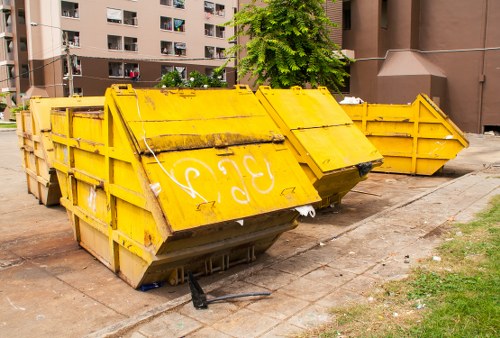 Purpose and scope: This Health and Safety Policy sets out the framework by which Skip Hire Pimlico operates to protect employees, contractors, clients and the public during skip hire and rubbish removal operations. The policy applies to all activities involving skip provision, site-based waste skip management, waste collection and related transport operations. Its objective is to ensure compliance with statutory duties, reduce risk to an acceptable level and promote a consistent, professional skip hire service across our service area.
Policy statement: We recognise that effective health and safety management is an integral part of delivering a reliable skip hire and rubbish removal business. The company will implement and maintain systems that control workplace hazards, ensure safe operation of vehicles and equipment and support safe handling of materials. All staff and contractors are required to work safely and to report hazards promptly so that corrective action can be taken without delay.
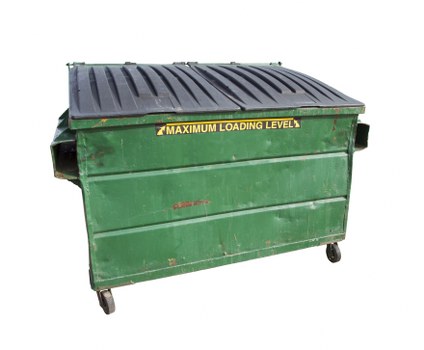 Responsibilities: Management is responsible for establishing and resourcing health and safety arrangements; supervisors and team leaders must apply these arrangements in daily operations. Employees, drivers and site operatives are responsible for following safe work procedures and wearing required personal protective equipment. Contractors engaged by the skip hire service must demonstrate competence and adhere to the same standards. Responsibilities include maintaining clear communication during deliveries and collections, ensuring skips are correctly sited and that rubbish is loaded safely.
Risk assessment and safe systems of work
[Risk assessment methodology] The company will perform and record risk assessments for routine and non-routine tasks, including skip placement, loading and unloading operations, manual handling of waste, vehicle movements and working near public thoroughfares. Risk controls will follow the hierarchy: elimination, substitution, engineering controls, administrative controls and personal protective equipment. Each assessment will be reviewed periodically and following any incident or significant change in working conditions.
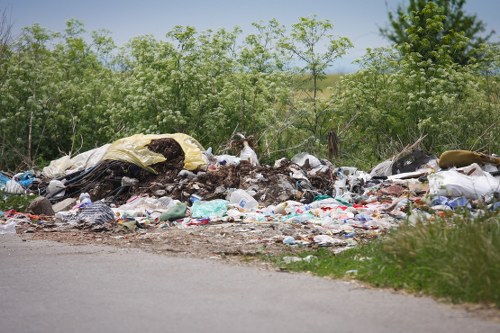 Safe vehicle and site operation: Drivers and operatives must ensure vehicles are loaded within legal and safe limits, secured for transit and positioned to minimise obstruction and risk to the public. When placing skips, operatives will confirm ground stability and permit access for emergency services. Temporary traffic management measures may be required for roadside placements. All mechanical lifting, shunting and tail-lift operations will be conducted by trained personnel using manufacturer instructions and safe operating practices.
Personal protective equipment and hygiene: The company will supply and mandate suitable PPE for all relevant tasks, including gloves, high-visibility clothing, safety footwear and eye protection where required. Additional PPE will be supplied for asbestos or chemical handling as per the specific risk assessment. Staff must maintain good hygiene practices, including washing hands after handling waste and before eating. The aim is to reduce exposure to sharps, biological contamination and hazardous substances.
Waste types, segregation and hazardous materials
Waste acceptance and segregation: Skip Hire Pimlico operates a clear policy on what may and may not be deposited in hired skips. Operators must ensure that segregation and safe handling rules are followed to prevent cross-contamination and to comply with waste transfer obligations. Prohibited items such as certain hazardous chemicals, asbestos (unless a licensed service is provided), pressurised gas cylinders and clinical waste will be identified and excluded. Proper labelling and segregation helps reduce risk during transport and at disposal facilities.
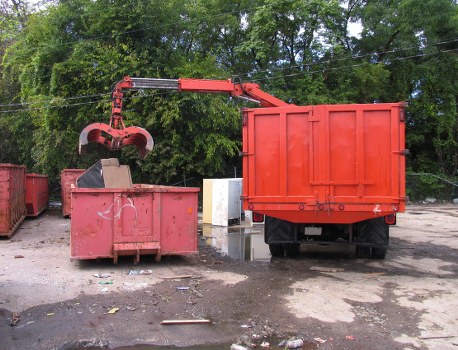 Handling hazardous or unknown wastes: Where hazardous materials are encountered or suspected, operations will stop and the matter escalated to a competent manager. The company will engage licensed hazardous waste carriers and disposal routes when required. Records will be maintained for all hazardous waste movements and staff will receive training to recognise warning signs. Emergency procedures, including spill containment and first aid for chemical exposure, will be available and practiced.
 Training, incident reporting and continual improvement: All personnel will receive induction training covering this policy, safe work procedures and emergency arrangements. Refresher training will be provided periodically. The company operates a formal incident reporting and investigation process to identify root causes and prevent recurrence. Performance will be monitored through audits, toolbox talks and review of near misses and accidents. The policy will be reviewed at least annually and updated to reflect changes in operations, legislation or best practice.
Record keeping and enforcement: Accurate records of risk assessments, training, maintenance, vehicle checks and waste transfer documentation will be retained in line with legal requirements. Non-compliance with safety procedures may result in disciplinary action or removal from site duties. Senior management will ensure adequate resources are allocated to maintain and improve health and safety performance.
Conclusion: This Health and Safety Policy underpins our commitment to safe skip hire and rubbish collection services. Through clear responsibilities, documented procedures, ongoing training and robust monitoring, we aim to protect people, property and the environment while delivering a dependable waste skip and rubbish removal service across the areas we serve.
- Policy owner: Senior management — responsible for implementation and review.
- Review frequency: Minimum annually or following significant change.
- Applicability: All employees, contractors and temporary staff involved in skip hire and waste collection operations.
This document is intended to serve as the principal health and safety policy for Skip Hire Pimlico and should be read in conjunction with operational procedures, risk assessments and statutory requirements relevant to waste management and transport.